There are no items in your cart
Add More
Add More
| Item Details | Price | ||
|---|---|---|---|

“Psychology is not another subject you study; it is the lens through which every subject becomes human.”-Dr. Sukanya Pal
Every IB subject ultimately deals with human choices, interpretation, creativity, and judgment. Psychology sharpens this lens by explaining why people reason the way they do, how bias shapes conclusions, and what influences motivation and decision-making. When students think psychologically, science becomes about human inquiry, economics about human choice, literature about human experience, and CAS about human impact. This is why psychology doesn’t just connect subjects—it deepens them.
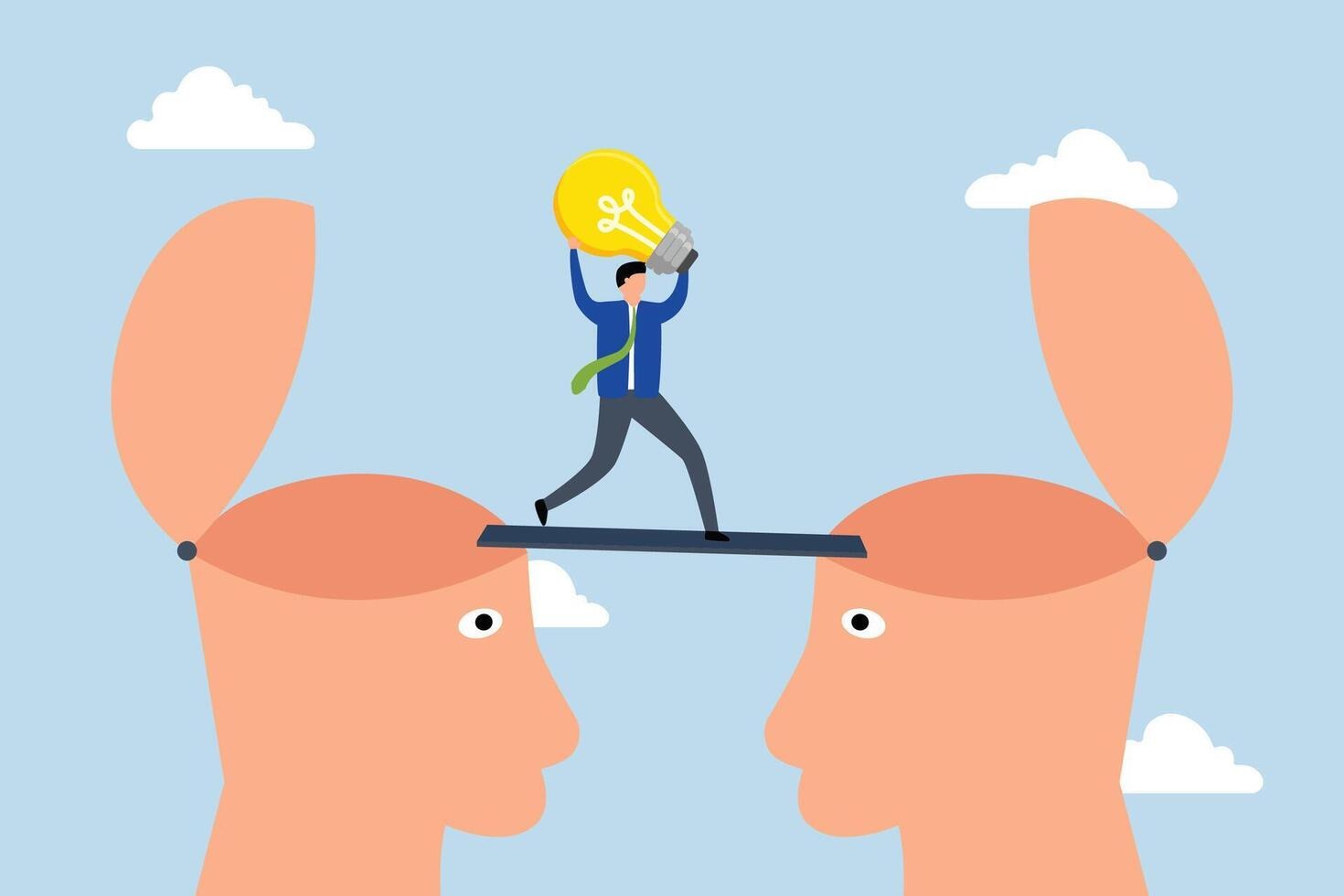
In IB Psychology, concurrence reflects how the subject integrates seamlessly with the IB Core. Psychology strengthens the Extended Essay through shared research skills such as formulating questions, evaluating methods, and addressing ethics. It deepens Theory of Knowledge by exploring how evidence, bias, emotion, and interpretation shape what we claim to know. It enriches CAS by providing insight into motivation, empathy, stress, resilience, and group behaviour, allowing students to reflect more meaningfully on their experiences. Through these connections, IB Psychology acts as a bridge that unifies research, reflection, and real-world understanding across the Core.
IB Psychology also connects naturally with other subjects across the IB curriculum. Its focus on data analysis, research design, and evaluation supports subjects like Biology and ESS, while its exploration of decision-making, motivation, and behaviour strengthens understanding in Economics and Business Management. Skills such as argument construction, critical evaluation, and evidence-based reasoning align closely with English and History, where interpretation and perspective matter. Even in the Arts, psychology deepens insight into creativity, emotion, and audience response. Through these links, IB Psychology reinforces interdisciplinary thinking, helping students transfer skills and understanding across subjects rather than learning in isolation.
“Psychology is the science of behavior and mental processes.” — Wilhelm Wundt
This reminds students that psychology naturally intersects with biology, economics, education, medicine, and the arts because behaviour underlies all human activity.
“The aim of education is not knowledge but action.” — Herbert Spencer
Psychology bridges subjects by turning theoretical understanding into practical insight about how people think, decide, and behave across disciplines.
 Launch your Graphy