There are no items in your cart
Add More
Add More
| Item Details | Price | ||
|---|---|---|---|

It is the most advanced way to learn because it controls learning itself.
“IB exams don’t reward what you know; they reward how well you choose, regulate, and justify your thinking.”
Why knowing Psychology isn’t enough-Because real success comes from meta-inquiry and metacognitive control
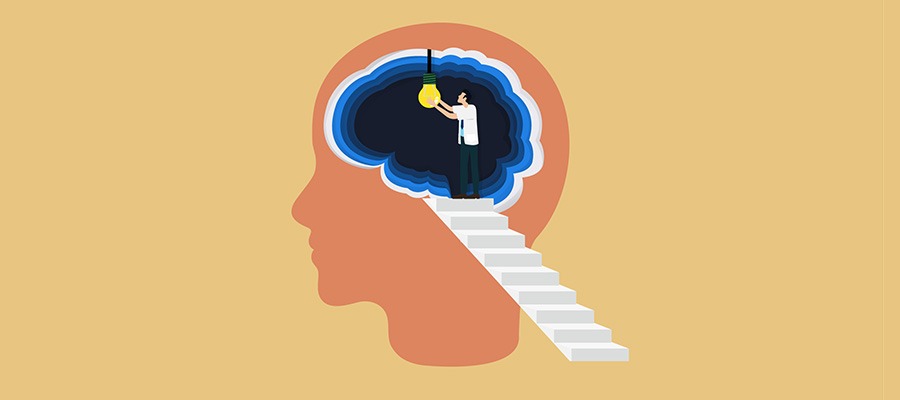
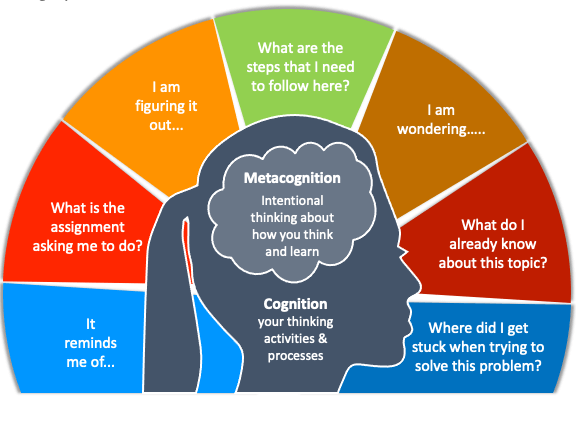
Metacognition and meta-inquiry represent the most advanced form of learning because they regulate all other learning processes. While basic learning focuses on acquiring information and intermediate learning focuses on applying it, metacognitive learners monitor, evaluate, and adjust their thinking in real time. Research by John Flavell showed that learners who can think about how they think outperform others even with the same knowledge base. Neuroscientifically, this level of learning relies on the prefrontal cortex, the brain’s highest-order control system, which governs planning, inhibition, evaluation, and transfer. Studies by Earl Miller and Jonathan Cohen show that this system determines whether knowledge can be deployed flexibly under pressure. Meta-inquiry goes further by questioning why certain knowledge, evidence, or strategies are appropriate, allowing learners to adapt across contexts rather than rely on fixed patterns. This is why metacognitive learners transfer learning to new problems, recover from mistakes faster, and remain effective under stress. In short, content tells you what to think, skills tell you how to act, but metacognition decides when, why, and whether your thinking works—making it the highest and most powerful level of learning.
Most IB Psychology students work hard.
They read. They highlight. They memorise studies. They revise theories. And yet, many walk out of the exam hall thinking, “I knew this… why couldn’t I use it properly?” This gap is not about intelligence.
It’s about how the brain is trained to think under constraint. Knowing psychology is about recognition — you recognise a study, a theory, a term.
Thinking like a psychologist is not about how much you remember—it is about metacognition and meta-inquiry: knowing how you think, why you choose certain ideas, and when to use them. IB exams do not reward recall alone; they reward regulated decision-making. When an IB Psychology question appears, the brain does not ask, “What do I know?” It asks, “What is the best move here?” That moment is metacognition in action—awareness of strategy, priority, and justification.
Cognitive psychology shows that this ability depends on the prefrontal cortex, which supports planning, inhibition, monitoring, and evaluation. If students practise only content intake, this control system remains underdeveloped. The brain becomes efficient at storage but weak at deployment. Metacognitive practice—planning answers, checking relevance, adjusting direction mid-response—trains the brain to monitor its own thinking. Meta-inquiry goes one step further: students do not just apply knowledge, they question why one study fits better than another, how an evaluation strengthens an argument, and what assumptions underlie their reasoning.
When students regularly practise structuring SAQs, selecting studies for ERQs, and justifying evaluative choices, the brain learns to think forward, not merely retrieve backward. Planning becomes executive rehearsal, reducing cognitive load and increasing coherence. Social discussion strengthens this process further. Through shared reasoning, students internalise standards of good psychological argumentation—what counts as strong evidence, balanced evaluation, and disciplined selection. This is metacognition made visible and meta-inquiry made social.
IB Psychology is therefore not a revision subject—it is a thinking discipline. Anxiety reduces when students trust their process rather than their memory. Confidence grows not from knowing everything, but from knowing how to decide well. That capacity—to monitor thinking, question choices, and justify reasoning—is what metacognition and meta-inquiry cultivate. And that is what the IB exam quietly asks of you.
References:
Miller, E. K., & Cohen, J. D. (2001). An integrative theory of prefrontal cortex function.
Bandura, A. (1986). Social foundations of thought and action: A social cognitive theory.
This approach to metacognition and meta-inquiry in psychology learning is grounded in four major theories and discoveries, each explaining a different layer of how students learn to decide, not just remember.
1. Metacognition Theory Proposed by John Flavell Flavell introduced the concept of metacognition—thinking about one’s own thinking. He showed that effective learners monitor their understanding, evaluate strategies, and adjust actions in real time. This directly explains why IB students who plan, check relevance, and redirect answers perform better: they are actively regulating cognition, not passively recalling information. Metacognition transforms knowledge from stored content into usable judgment under pressure.
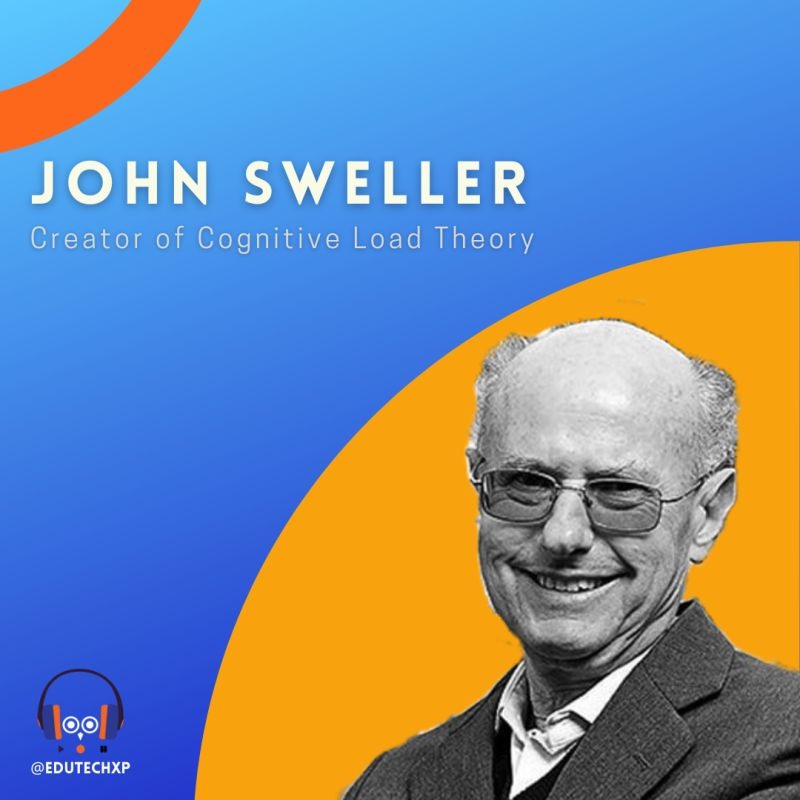
3. Cognitive Load Theory (Decision Management) Developed by John Sweller Sweller showed that learning fails when working memory is overloaded. Metacognitive planning reduces extraneous cognitive load by externalising decisions before writing. This explains why planning is not wasted time but cognitive protection—it frees mental resources for explanation and evaluation. Meta-inquiry works because it manages how thinking is deployed, not how much is stored.
2. Executive Control & Prefrontal Cortex Theory Developed by Earl Miller and Jonathan Cohen Miller and Cohen’s Integrative Theory of Prefrontal Cortex Function explains how the brain prioritises goals, inhibits irrelevant responses, and evaluates choices. This theory underpins your argument that exams reward selection. When students practise deciding which study fits best or which evaluation strengthens an argument, they train executive control. Without this, memory may work—but decision-making collapses.

4. Social Constructivism & Scaffolding Proposed by Lev Vygotsky Vygotsky demonstrated that higher-order thinking develops first through social interaction and is later internalised. When students debate which argument is stronger or justify choices to peers, they engage in meta-inquiry—questioning the structure and quality of reasoning itself. Over time, these external standards become internal decision rules, strengthening independent exam performance.
IB Psychology rewards metacognition—knowing how to choose—and meta-inquiry—knowing why that choice works.![]()
Every learner’s IB Psychology journey is different.
Share a few details so we can guide you with clarity, care, and academic precision. Stay informed with insights on how IB Psychology builds thinking skills, confidence, and long-term understanding of simple exam strategies, clarity notes, and reflections that help you think better.
 Launch your Graphy